Service Areas
Roofers in Chester County, PA
Searching roofers Chester County PA covers more than one kind of house or roofing problem.
- No-cost request
- Matched by ZIP code
- Chester County, PA
01
Use the town context, then inspect the individual house
Searching roofers Chester County PA covers more than one kind of house or roofing problem. A borough rowhome, a midcentury ranch, a newer subdivision colonial, and an older Main Line slate roof need different approaches. This county hub helps you frame the work before choosing a town page or requesting an assessment. Chesco Roofers, a free homeowner referral service from SoleSource Pros, is a referral service, not a roofing contractor. We connect your request with ONE independent licensed and insured roofer, and the request is never sold to multiple companies. The roofer reviews the property, recommends a scope, and supplies the quote for any work you consider.
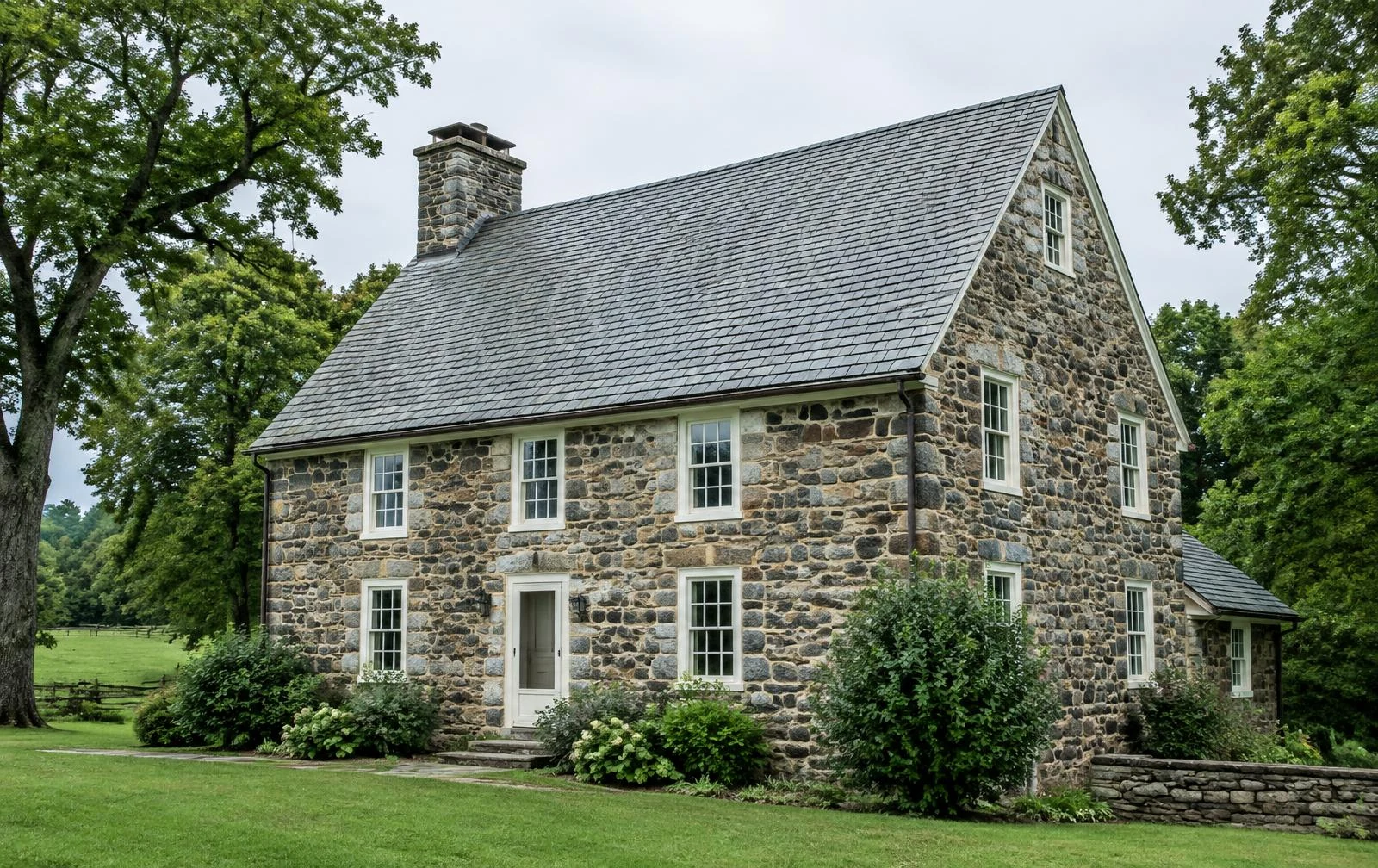
West Chester and Downingtown include older borough buildings as well as surrounding residential areas with later construction. Exton and the Whitford and Uwchlan areas include many asphalt-shingle homes from the 1980s through the 2000s, though a house's build date does not prove its current roof age. Malvern brings another mix around Great Valley and Willistown. These local patterns can help you describe the property when requesting help, but they cannot determine whether a particular roof needs repair or replacement. Additions, reroofing, and prior repairs often matter more than a neighborhood's general age.
Phoenixville’s older rowhomes, including housing from the 1800s and early 1900s, can involve different access and wall details from detached houses in Schuylkill or East Pikeland. Kennett Square, Longwood, New Garden, and East Marlborough include varied borough and township settings. Coatesville, Caln, and Valley also combine older homes with later development. In Paoli and nearby Tredyffrin and Willistown, midcentury houses sit within a wider Main Line landscape that includes older slate roofs. Use these distinctions to ask better questions, not to assume every building shares a material or installation history.
02
Define the problem before selecting a service
Roof repair begins with understanding where and why water enters. A chimney junction, a damaged vent detail, a torn low-slope membrane, and a worn shingle field need different solutions. Record when the problem occurs, take safe photographs, and gather paperwork from prior work. Ask the roofer what evidence supports the diagnosis and what inspection limits remain. A repair should address a defined defect and explain how it integrates with surrounding material. Repeated surface patches may indicate the original pathway was not resolved, but they do not by themselves prove a full replacement is necessary.
Roof replacement becomes more relevant when deterioration is broad, leaks recur across separate areas, or repairs can no longer be integrated reliably. Request a proposal that addresses the assembly beneath the visible covering, including decking, underlayment, flashing, edge details, and ventilation as applicable. Gutter work should identify whether cleaning, localized correction, or replacement is needed and trace water through the discharge point. These services can be coordinated, but their scopes should remain understandable. Ask how concealed damage and optional upgrades will be priced and approved before additional work proceeds.
03
Prepare for the county’s changing weather
Thunderstorms can cause sudden wind damage, drop limbs, or block outlets with debris. Following an event, stay on the ground, avoid unstable trees and electrical hazards, and photograph visible changes. A missing piece of roofing is useful evidence, but storm timing alone does not determine the full extent of damage or any insurance decision. If water continues to enter, ask the roofer about temporary protection while the condition is assessed. Interior staining can appear away from the entry point, so do not assume the leak begins directly above the mark.
Nor'easters can expose roofs to prolonged wind-driven precipitation, testing flashing and roof-wall connections from unusual directions. Winter ice dams add a different mechanism when meltwater refreezes near colder edges. Ask how heat loss, insulation, attic ventilation, and water protection relate to the particular building. Condensation from indoor moisture should also be considered where appropriate. No single product should be presented as a cure for every cold-weather symptom. Some underlying issues may require another qualified professional, and an honest scope should distinguish roofing work from those related responsibilities.
Ready for a roofing estimate?
One short request, matched to a participating contractor who serves your area.
04
Check approvals at the correct municipal office
County location is not a substitute for confirming the municipality responsible for a property. Mailing addresses can cross borough, city, and township boundaries, so identify the actual jurisdiction and ask about permits and project-specific review. Do not rely on a neighbor's experience, a presumed fee, or an unsupported rule about like-for-like replacement. In the West Chester borough historic district, visible roof changes may need review; check with the borough before choosing those changes. Elsewhere, verify any property-specific restrictions rather than assuming that all older houses follow the same process.
Association approval, where applicable, is separate from municipal requirements. Confirm both before ordering materials or committing to a visible change. Practical permissions may also matter if a container, delivery, or work zone would occupy public space; ask the municipality instead of guessing. The contract should state who handles any required applications and what scheduling assumptions depend on approval. For attached homes, clarify ownership boundaries and any necessary coordination with adjacent owners. These checks help define the project without inventing universal permit rules for a county with many different municipalities.
05
Make the site visit and proposal useful
Prepare a short list of priorities and constraints: active leaks, future replacement planning, specialty materials, tight access, pets, landscaping, and entrances that must remain open. Ask the roofer for applicable license and insurance documentation, a defined scope, payment terms, cleanup provisions, and written warranty information if offered. Clarify how changes and weather delays are communicated. SoleSource Pros makes the introduction and is not responsible for performing construction or issuing the roofer's warranty. Your request goes to one independent licensed and insured roofer and is never sold to multiple companies for competing sales outreach.
Questions
Frequently asked questions
Go deeper
Services available in Chester County
Roof Replacement
Plan roof replacement in Chester County, PA. Compare materials, ventilation, flashing, and written estimates through a free homeowner referral.
Learn moreRoof Repair
Find roof repair in Chester County, PA for leaks, flashing issues, and damaged shingles. Request a free referral and a clear repair scope.
Learn moreGutters
Plan gutters in Chester County, PA with attention to overflow, downspouts, fascia, and drainage. Request a free homeowner referral for an estimate.
Learn more
Explore
More to explore
County
Roofing services in Chester County
Get started
Ready to get your project started?
One independent Chester County roofer will contact you. Your request is never sold to multiple companies.