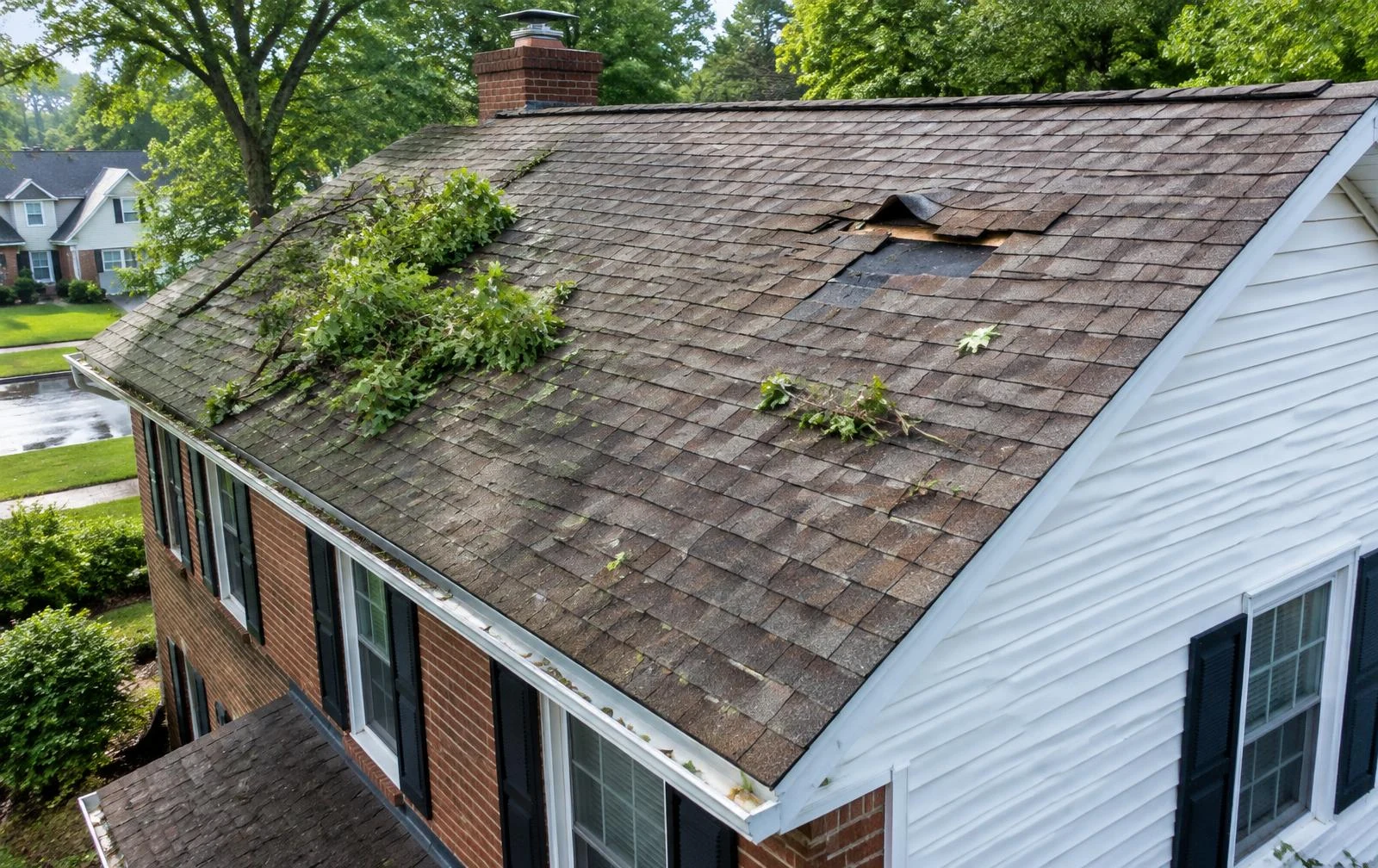
Roofing
Storm Damage Roof Repair in Chester County, PA
Storm damage roof repair in Chester County, PA involves immediate safety, careful documentation, and a repair plan based on actual conditions.
- No-cost request
- Matched by ZIP code
- Chester County, PA
01
The first 24 hours: prioritize people
Storm damage roof repair in Chester County, PA involves immediate safety, careful documentation, and a repair plan based on actual conditions. Nor'easters, strong wind, winter ice dams, and summer storms can affect roofs differently. Chesco Roofers is a free homeowner referral service through SoleSource Pros, not a contractor or insurer. Your request is referred to ONE independent, licensed and insured roofing contractor and is never sold to multiple companies. Coverage decisions belong to your insurer; a roof inspection or referral does not guarantee claim approval or payment.
Stay clear of downed wires, unstable trees, broken glass, and damaged structures. Do not climb onto the roof, use a ladder in storm conditions, or attempt to pull branches from roofing. If there is immediate danger, contact emergency services or the appropriate utility. Wait until conditions are safe before walking outside to observe damage from the ground.
Inside, avoid rooms with sagging ceilings and keep away from water near electrical fixtures or equipment. Move belongings only if you can do so safely. A container beneath a small drip may limit damage, but never stand under a visibly stressed ceiling. Do not enter an attic with unsafe footing, structural concerns, or electrical hazards to obtain photographs.
02
A practical ground-level documentation checklist
Once it is safe, record what you can see without climbing. Photograph the overall house as well as visible damaged areas, and retain the original files. Note the storm date, approximate time, and when water first appeared. Existing maintenance records and older roof photos can help distinguish preexisting conditions from newly observed damage.
Contact your insurer promptly to ask about reporting requirements and reasonable steps to limit further loss. Keep receipts for authorized temporary protection and other related expenses, but do not assume every expense will be covered. Follow your policy and insurer's instructions about retaining damaged materials where safe and practical; never preserve debris in a way that creates a hazard.
- Take wide ground photos showing each accessible side of the house.
- Photograph fallen shingles, branches, gutter damage, and interior staining without entering unsafe areas.
- Write down whom you contacted and retain estimates, receipts, and claim correspondence.
- Do not move power lines or climb onto roofing for a closer photograph.
03
Temporary protection versus permanent repair
An exposed opening may need temporary protection before a permanent scope is settled. Tarp installation itself involves fall hazards and should be handled by a properly equipped professional when conditions allow. Ask what area will be protected, how the tarp will be secured, and what limitations apply. Temporary work cannot guarantee that all water entry will stop.
Permanent repair may involve shingles, slate, decking, underlayment, flashing, or related drainage components. A wind-lifted shingle and a branch penetration require different solutions. Keep temporary protection charges distinct from permanent repair pricing so you and the insurer can understand what was performed. Confirm whether another visit will be needed to remove temporary materials and complete repairs.
Ready for a roofing estimate?
One short request, matched to a participating contractor who serves your area.
04
How a typical insurance process unfolds
A homeowner generally reports the loss, receives a claim reference, and discusses next steps with the insurer. The insurer may request photographs, arrange an adjuster inspection, or ask for repair estimates. A contractor can document observed damage and provide a scope, but the insurer interprets the policy and decides coverage, subject to its terms, exclusions, and deductible.
If an estimate and the insurer's assessment differ, ask for an itemized explanation of the differences. Additional concealed damage may require documentation and further review. Do not treat a contractor's opinion as approval from your insurer or sign a contract you do not understand. Payment timing, recoverable depreciation, and documentation requirements depend on the policy and claim; ask your insurer about your specific situation.
05
Assess the roof, not just the storm headline
On historic stone farmhouses, slate damage may be isolated while chimney flashing or old masonry contributes to leakage. Older borough roofs can have adjoining walls and low-slope sections that complicate water paths. On 1980s–2000s subdivision homes, weathered shingles may be less flexible during repair. An inspection should identify storm-related observations without assuming every worn component was damaged by the event.
Ice dams also call for attention to attic heat loss, insulation, and ventilation rather than roofing alone. Wind-driven rain can reveal a vulnerable detail even without widespread shingle loss. Request photos and a plain-language explanation of findings. If replacement is proposed, ask why a repair is insufficient and which existing components can reasonably remain.
06
Verify responsibilities before work starts
Pennsylvania home improvement contractors must register with the Pennsylvania Attorney General; ask for and verify the PA HIC registration number. Obtain current insurance information separately. Local permit requirements vary, so contact your own Chester County borough or township about the planned work. Confirm who handles any approvals, especially where historic review may apply.
Your written agreement should identify temporary and permanent work, materials, change approvals, cleanup, and payment obligations. Understand what you owe even if the insurer pays less than expected. Chesco Roofers does not negotiate coverage or promise a particular claim outcome; evaluate the independent contractor's proposal on its own terms.
Questions
Frequently asked questions
Go deeper
Related roofing services
Emergency Roof Tarping
Emergency roof tarping in Chester County, PA: request temporary roof protection, learn safe next steps, and plan permanent repairs.
Learn moreRoof Repair
Find roof repair in Chester County, PA for leaks, flashing issues, and damaged shingles. Request a free referral and a clear repair scope.
Learn moreRoof Replacement
Plan roof replacement in Chester County, PA. Compare materials, ventilation, flashing, and written estimates through a free homeowner referral.
Learn moreGutters
Plan gutters in Chester County, PA with attention to overflow, downspouts, fascia, and drainage. Request a free homeowner referral for an estimate.
Learn more
Explore
More to explore
Get started
Ready to get your project started?
One independent Chester County roofer will contact you. Your request is never sold to multiple companies.