Service Areas
Roofers in Phoenixville, PA
Searching roofers Phoenixville PA might begin with a leak in an old rowhome or storm damage on a detached house beyond the borough.
- No-cost request
- Matched by ZIP code
- Chester County, PA
01
Older rowhomes need attention to connections
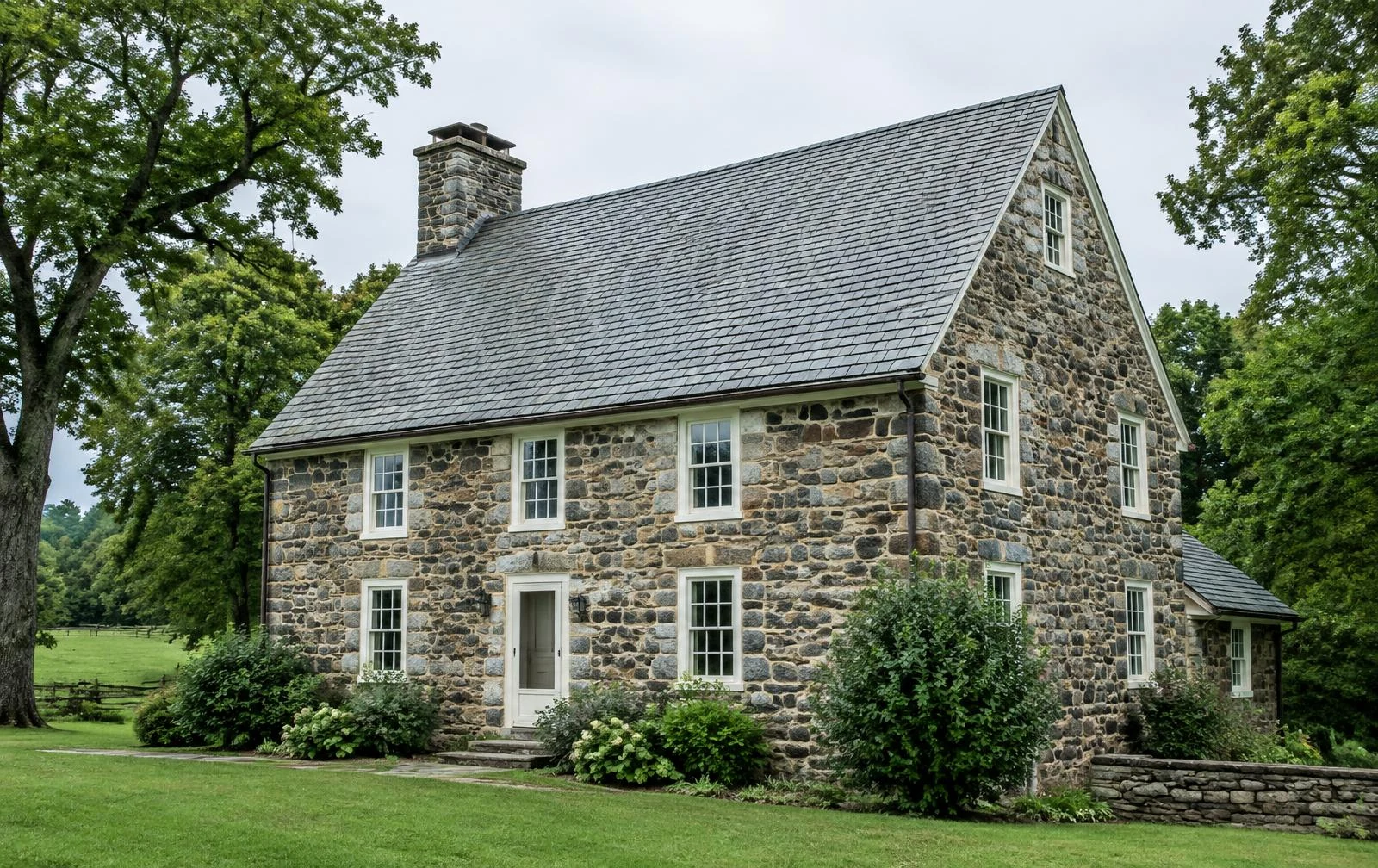
Searching roofers Phoenixville PA might begin with a leak in an old rowhome or storm damage on a detached house beyond the borough. Phoenixville’s older housing includes homes dating from the 1800s and early 1900s, while nearby Schuylkill Township and East Pikeland offer additional eras and layouts. A successful plan accounts for that specific building rather than assuming every local roof is alike. Chesco Roofers, a free homeowner referral service from SoleSource Pros, is a referral service, not a contractor. We connect you with ONE independent licensed and insured roofer, and your request is never sold to multiple companies. The roofer assesses conditions and quotes the work.
On a rowhome, roof problems can involve party-wall intersections, parapet details, shared-looking edges, or later rear additions. The affected surface may not be visible from the street, and a shallow rear roof may require a different system from the main pitched section. Ask the roofer to identify the actual work boundary and explain how the proposed repair connects with neighboring surfaces. Do not assume adjoining roofs have the same owner, age, or condition. Where access or shared details require coordination, establish that before scheduling removal or ordering material.
Detached houses around the borough and in Schuylkill or East Pikeland can have more conventional asphalt-shingle slopes, but they still vary in age and complexity. Dormers, porches, converted attic spaces, and garage connections may each contribute a separate moisture pathway. A Phoenixville postal address does not establish which municipality handles approvals. Confirm the jurisdiction, then ask about permits or any review relevant to your property and project. For older buildings, check before making prominent exterior changes instead of assuming age either creates a restriction or exempts the work.
02
Diagnose low-slope and pitched areas separately
A ceiling stain beneath a rear addition may arise at a wall transition, seam, drain, or damaged covering. Ask whether the roof's slope and material are compatible and how the roofer reached the diagnosis. Simply placing pitched-roof shingles over an unsuitable low-slope surface is not a substitute for selecting the right assembly. If a temporary patch is proposed, clarify its purpose and limits. The estimate should distinguish stopping an immediate leak from restoring the full roof area, especially when earlier layers or hard-to-access details complicate the inspection.
For a pitched roof, concentrated repairs may be reasonable when the surrounding covering remains serviceable. Widespread wear, recurring leaks in separate locations, or brittle material can make replacement more practical. Ask what happens beneath the visible surface: decking, underlayment, flashing, and ventilation should all be addressed as applicable. Older houses may have surprises from previous renovations, so request a clear process for documenting concealed damage and approving additional work. A low initial figure is difficult to evaluate if the quote leaves these responsibilities entirely unspecified.
03
Storm patterns can expose different weaknesses
Summer thunderstorms can quickly overwhelm a blocked outlet or lift an already loose section of edge material. Windborne branches may damage a roof without leaving an obvious opening visible from the sidewalk. After conditions settle, record new indoor marks and safely photograph any fallen roofing pieces. Keep clear of unstable ceilings and electrical hazards. Ask the roofer about temporary protection if water is still entering. Avoid stepping onto a rear roof from an upper window; its condition, slope, and load capacity may be uncertain even when it appears accessible.
A nor'easter can produce prolonged wind-driven rain that tests masonry junctions and flashing on older homes. Snow followed by freezing weather brings another issue: ice dams can hold meltwater near the eaves. Discuss heat loss, insulation, and ventilation rather than treating ice as a gutter-only problem. In converted upper floors, access for investigation may be limited, so ask what can be assessed and what remains uncertain. Condensation from indoor air may also contribute to dampness, and identifying that distinction matters before authorizing exterior work.
Ready for a roofing estimate?
One short request, matched to a participating contractor who serves your area.
04
Manage gutters and constrained borough access
On closely spaced homes, gutter leaks can send water into narrow passages where damage is easy to overlook. A thorough assessment considers fastening, pitch, outlets, and discharge, not simply the visible front run. Ask whether existing fascia can support the planned system and how water from upper roofs reaches lower sections. If a downspout route affects an adjoining property or a public walkway, clarify the proposed arrangement before work begins. The objective is controlled drainage with clear responsibilities, not shifting an overflow problem to a less visible location.
Discuss staging early when street parking, small yards, or limited rear access may affect the project. Ask how materials will be delivered, how debris will be contained, and what protection is planned for neighboring walls, windows, and entrances. Check with the municipality about any permissions needed for public-space use; requirements should not be guessed. For township properties, driveway capacity and landscaping may be the larger concerns. Either way, confirm daily cleanup expectations and how you will safely enter and leave the home while roof work is underway.
05
Keep the referral and the contract distinct
SoleSource Pros introduces you to one independent licensed and insured roofer rather than selling your request to multiple companies. The roofer is responsible for the inspection, technical recommendations, pricing, and any work you approve. Request an itemized scope describing materials, affected roof areas, removal, disposal, change orders, payment milestones, and offered warranty terms. Ask who communicates delays and handles questions on site. A useful proposal acknowledges access limits and unknown conditions instead of implying an older building can be fully understood from a quick look at its front elevation.
Questions
Frequently asked questions
Go deeper
Services available in Phoenixville
Roof Replacement
Plan roof replacement in Chester County, PA. Compare materials, ventilation, flashing, and written estimates through a free homeowner referral.
Learn moreRoof Repair
Find roof repair in Chester County, PA for leaks, flashing issues, and damaged shingles. Request a free referral and a clear repair scope.
Learn moreGutters
Plan gutters in Chester County, PA with attention to overflow, downspouts, fascia, and drainage. Request a free homeowner referral for an estimate.
Learn more
Explore
More to explore
Borough
Roofing services in Phoenixville
Get started
Ready to get your project started?
One independent Chester County roofer will contact you. Your request is never sold to multiple companies.